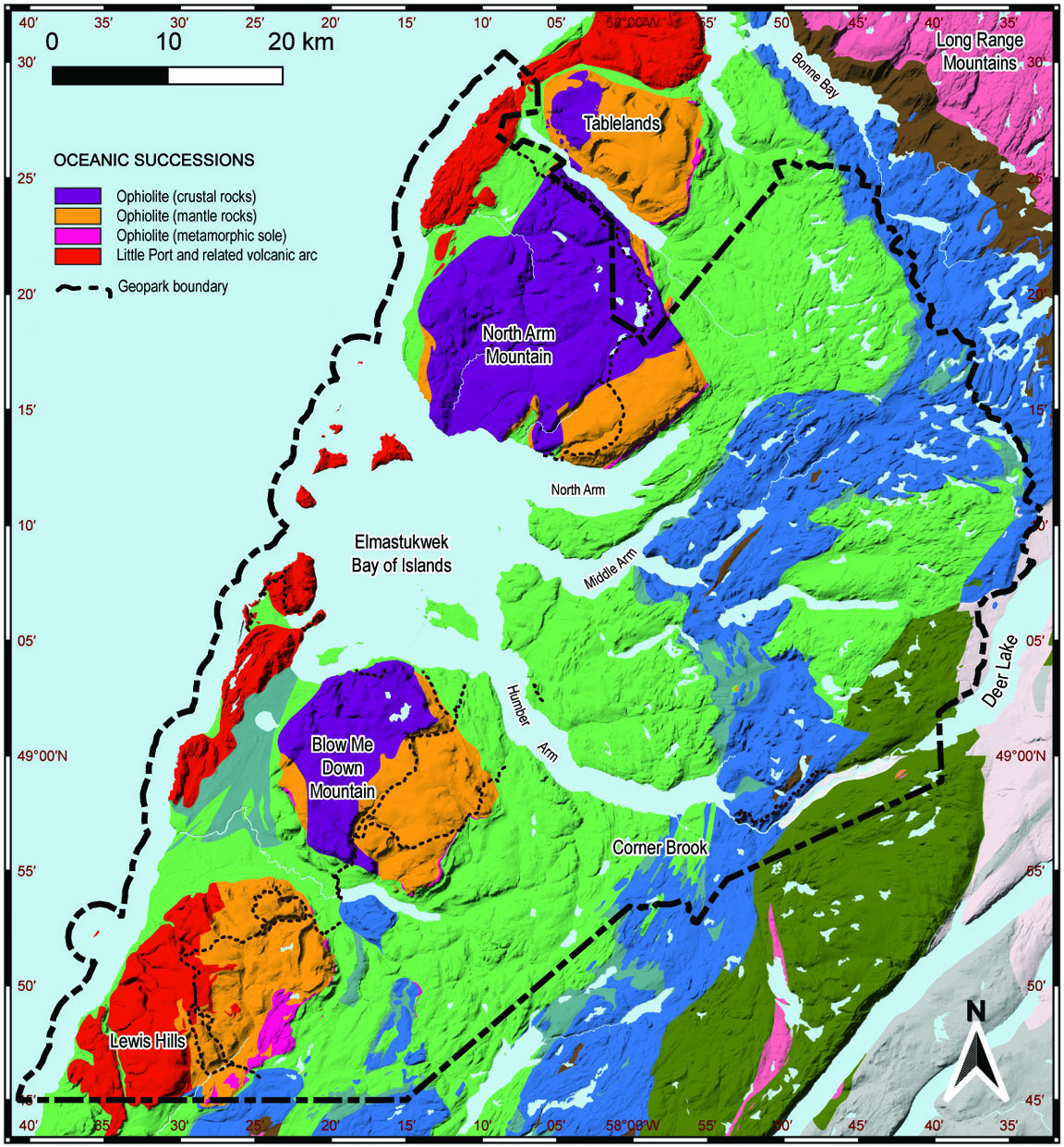
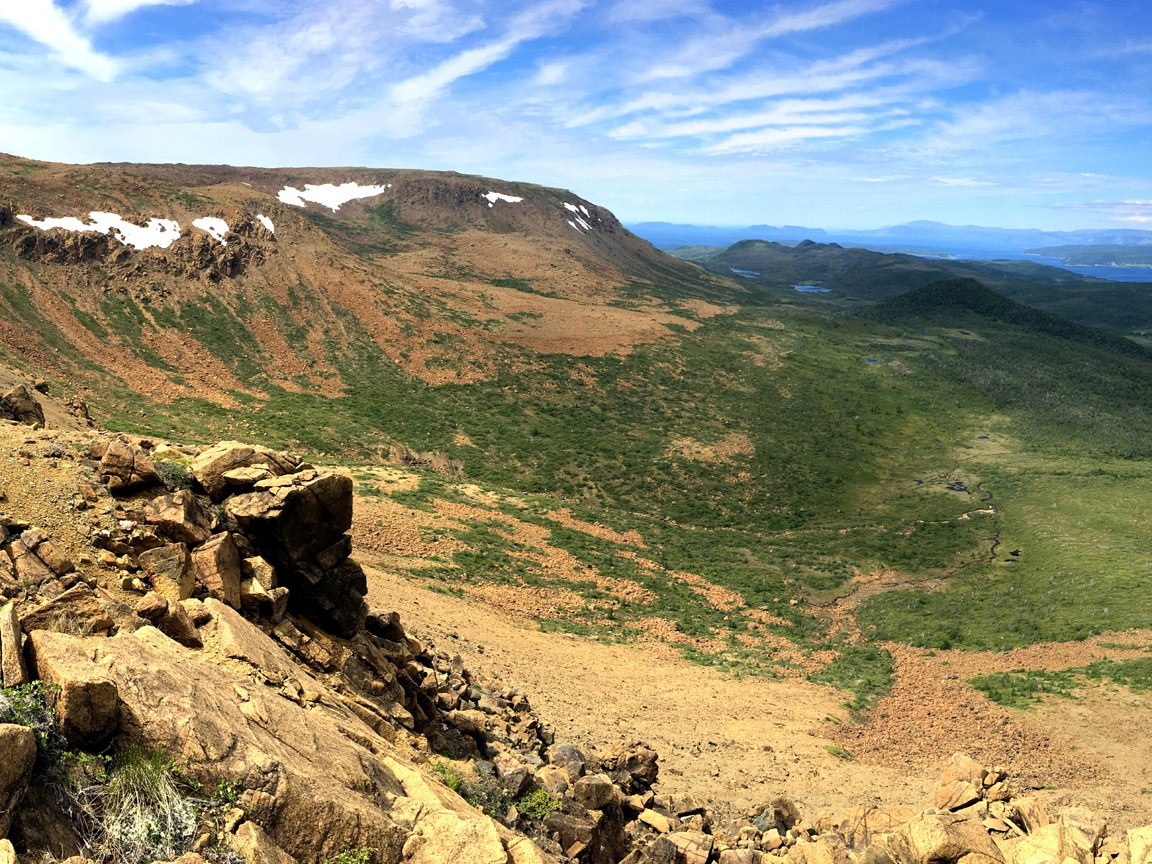
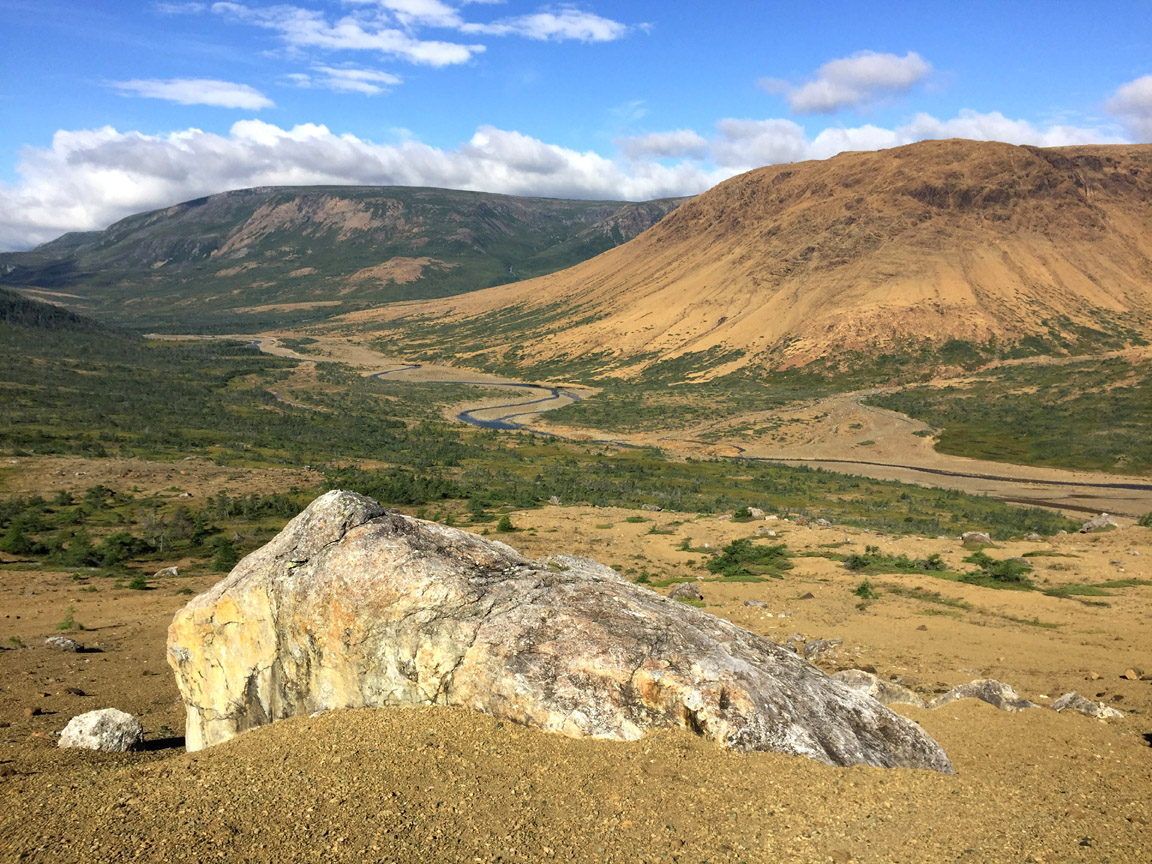
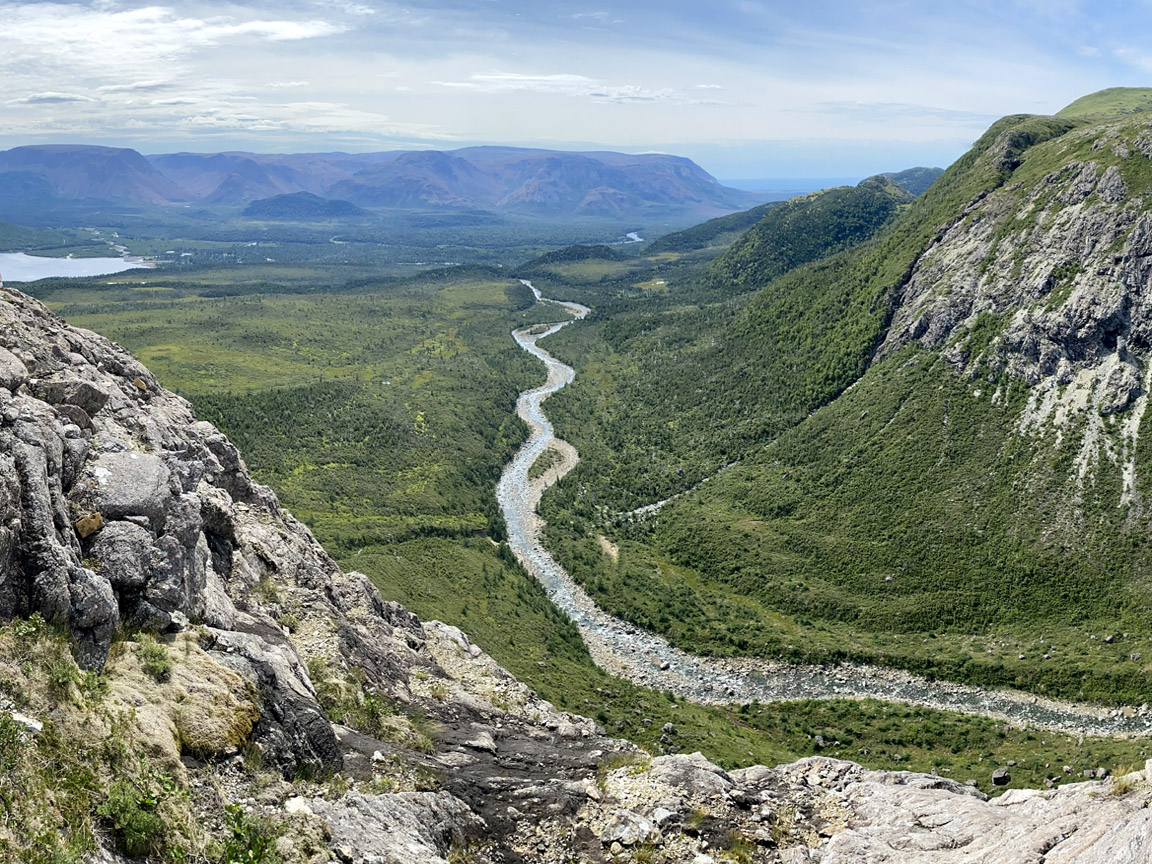
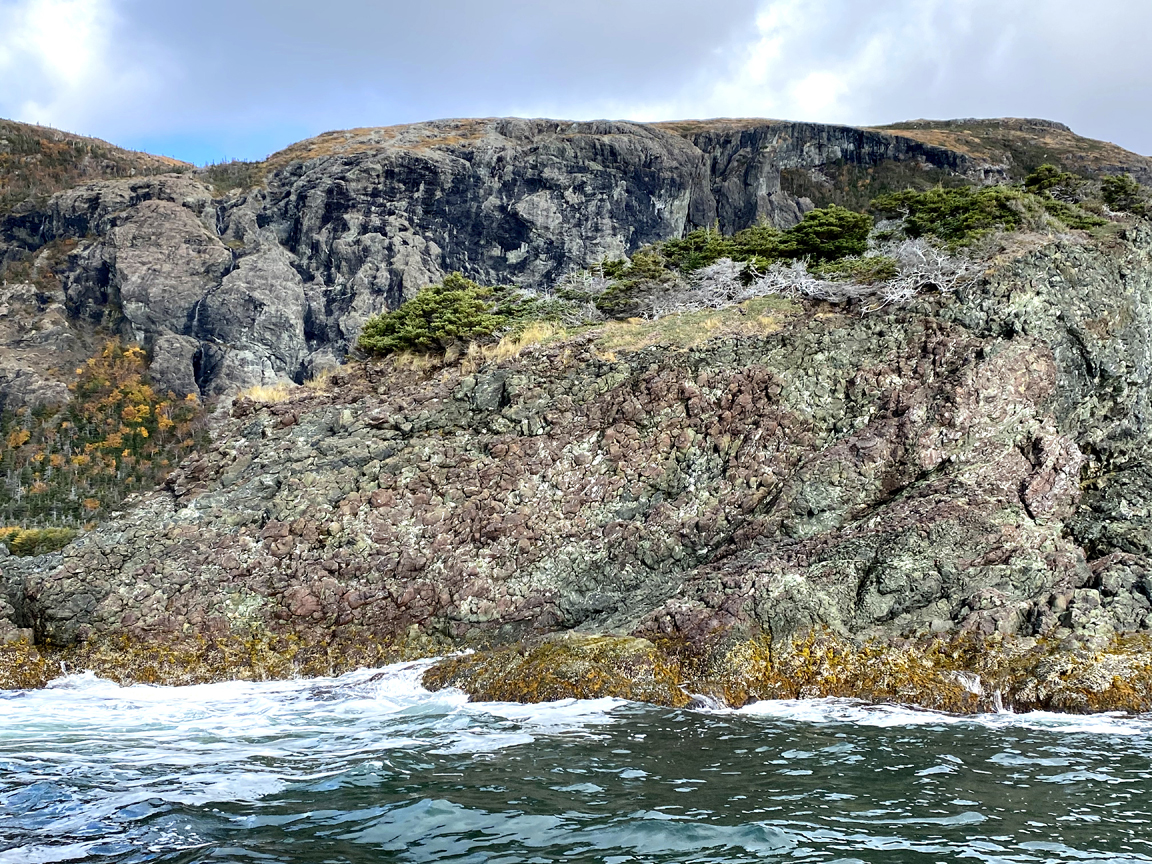
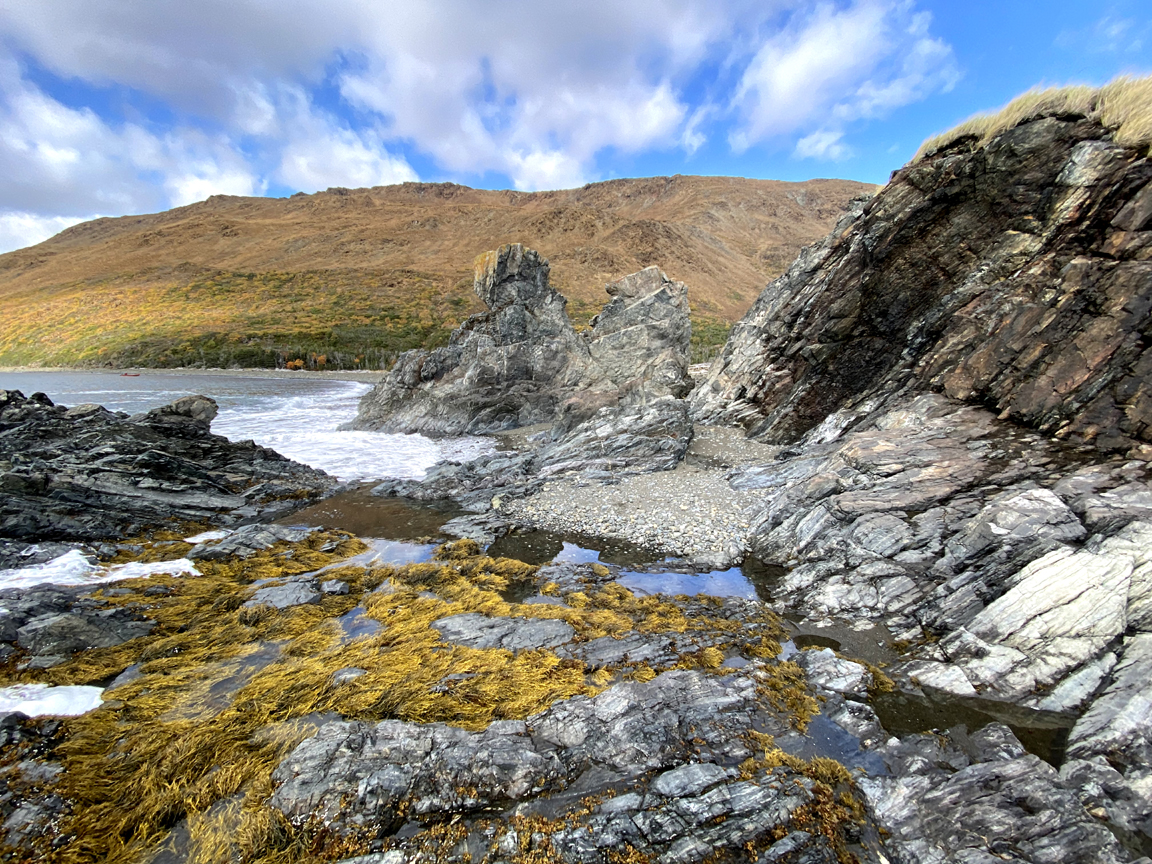
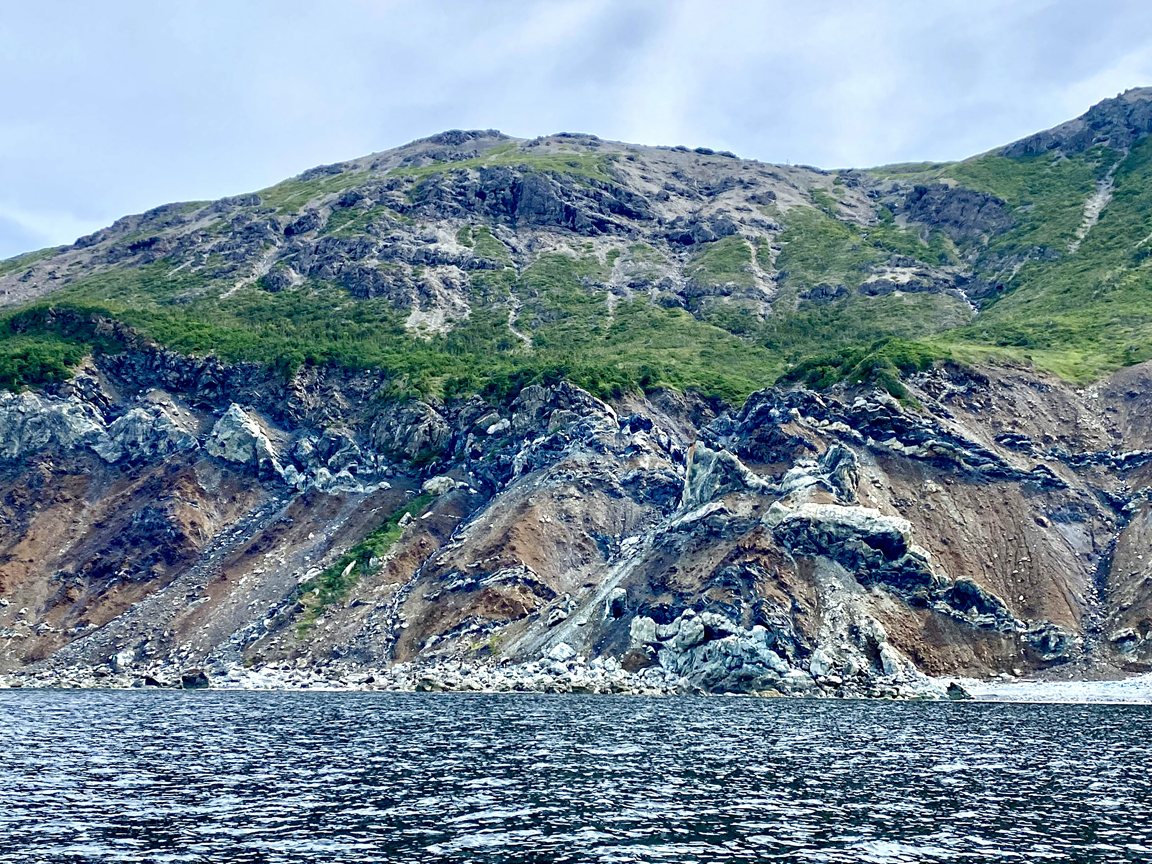
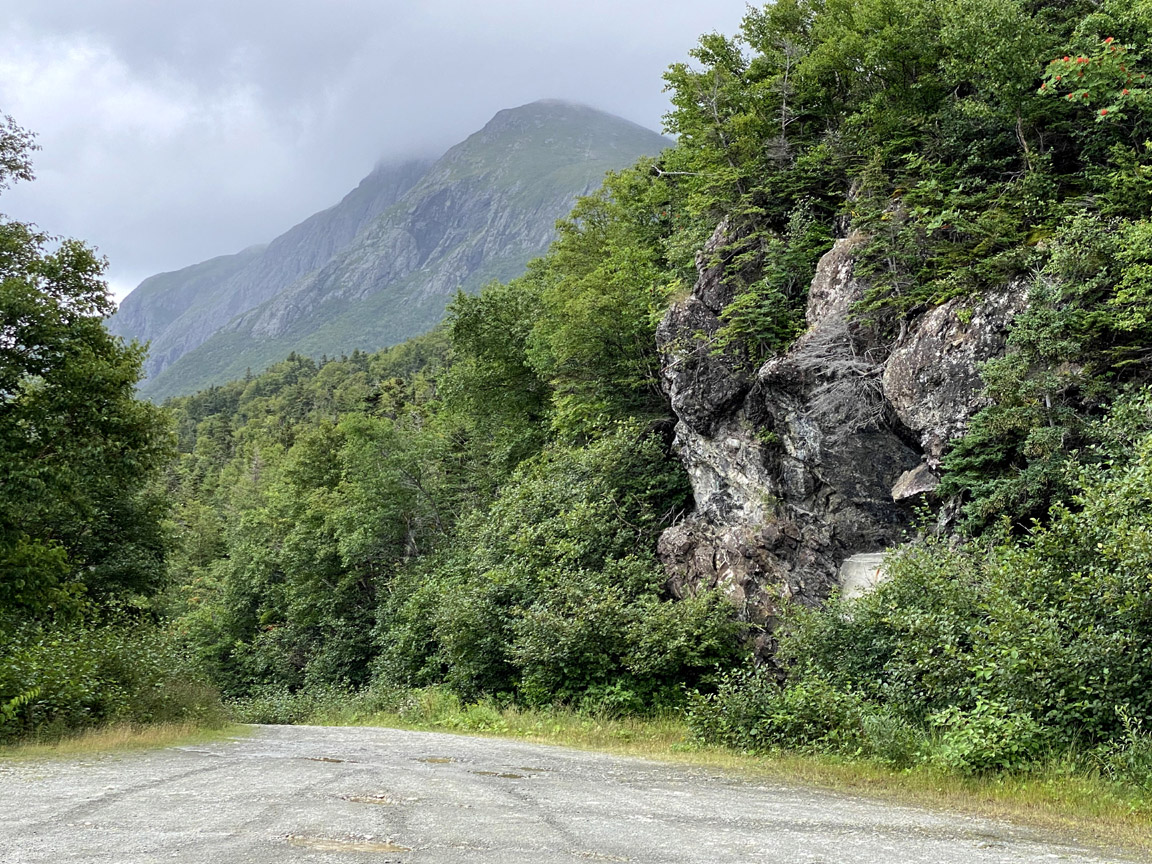
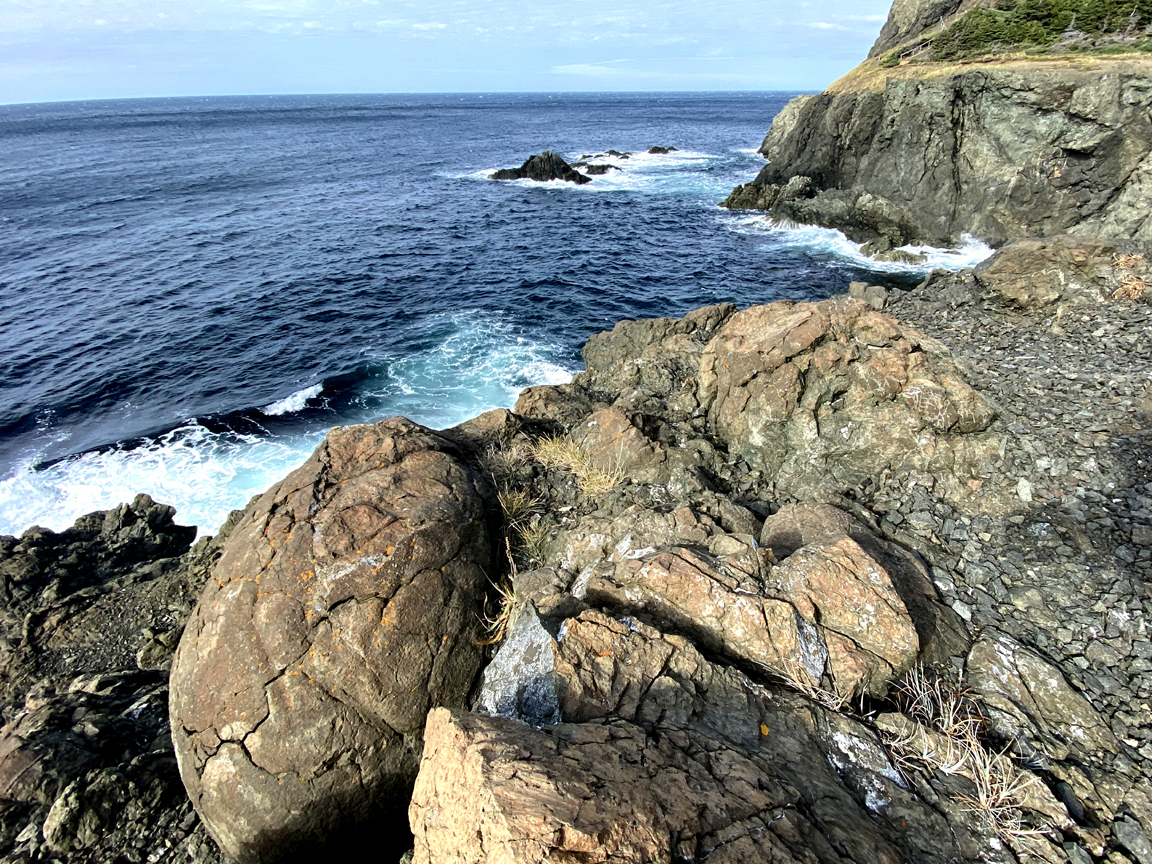
The third group of rocks in the Geopark region consists mainly of igneous rocks, formed from molten magma. Igneous rock may form during volcanic eruptions that extrude magma as lava onto the sea floor or land surface. However, magma often cools before reaching the Earth’s surface; in this case, it solidifies more slowly, forming coarser-grained intrusions. Most of the igneous rocks around the Bay of Island are rich in iron and magnesium, and as a result they are black or dark green when freshly broken. On weathered surfaces the iron quickly rusts, producing mountains with a rusty brown colour.

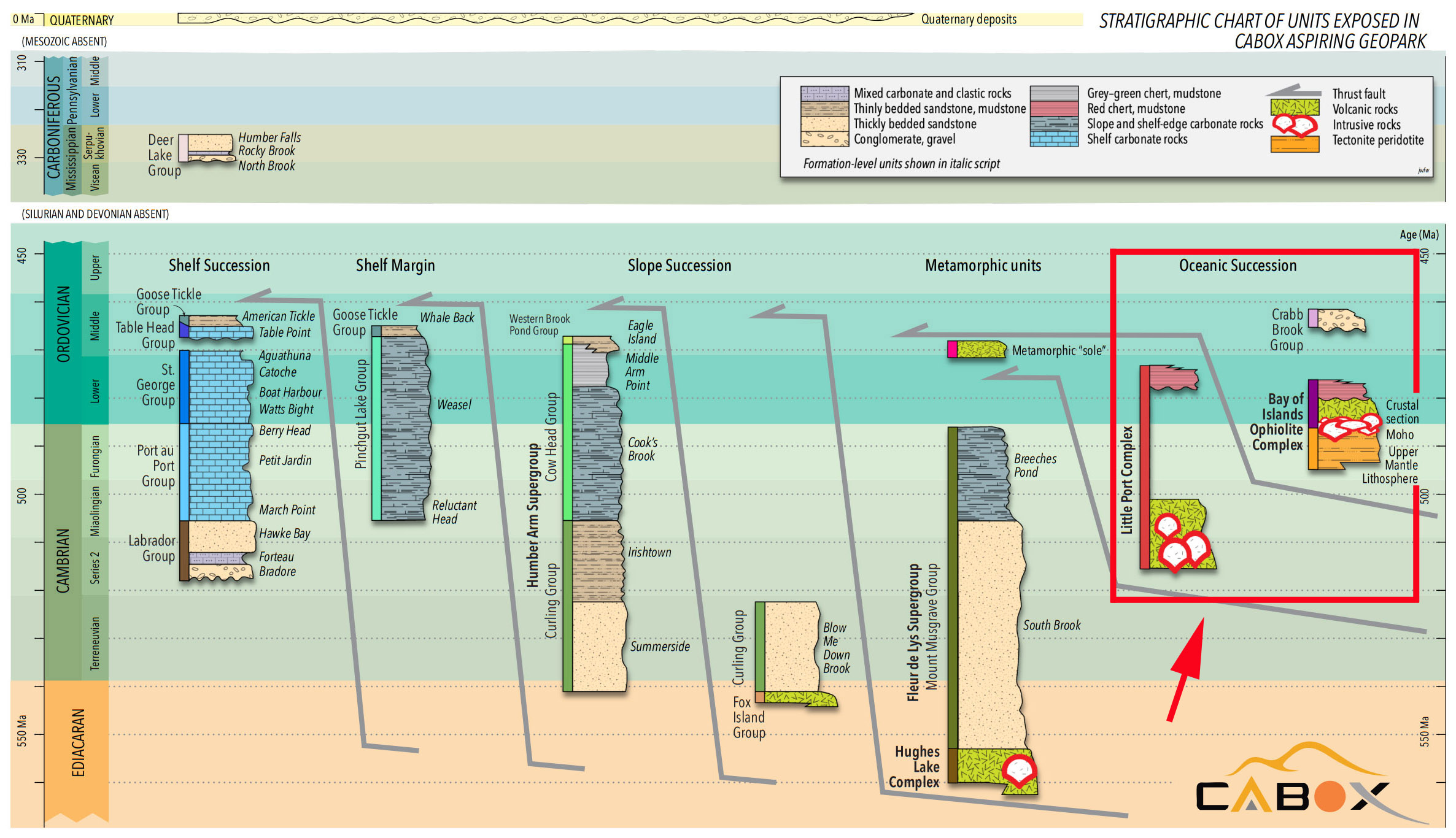
Most of the igneous rocks in our area formed in ancient oceans that surrounded Laurentia. Many of them formed by the process of ocean-floor-spreading, where two plates move apart allowing the Earth’s mantle below to rise and partially melt. Magma rises and solidifies, continually enlarging the two plates as they move apart, as happens on the modern mid-Atlantic ridge (for example in Iceland). Pieces of ocean floor preserved in mountain belts like the Appalachians are known as ophiolites, and the Bay of Islands Ophiolite Complex is one of the world’s most famous examples. It preserves oceanic crust and upper mantle that was influential (along with examples in Cyprus and Oman) in the early history of plate tectonics, by providing a cross-section of oceanic lithosphere, unobservable beneath the modern oceans.

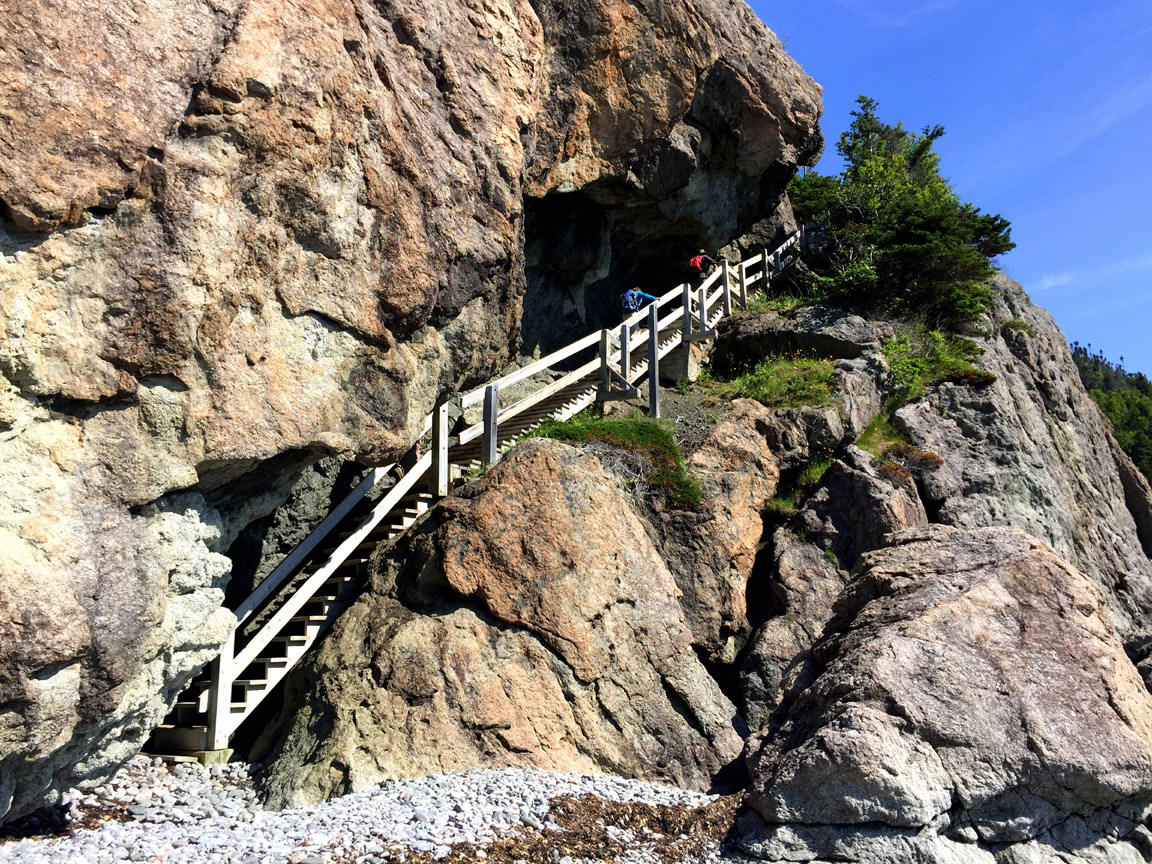
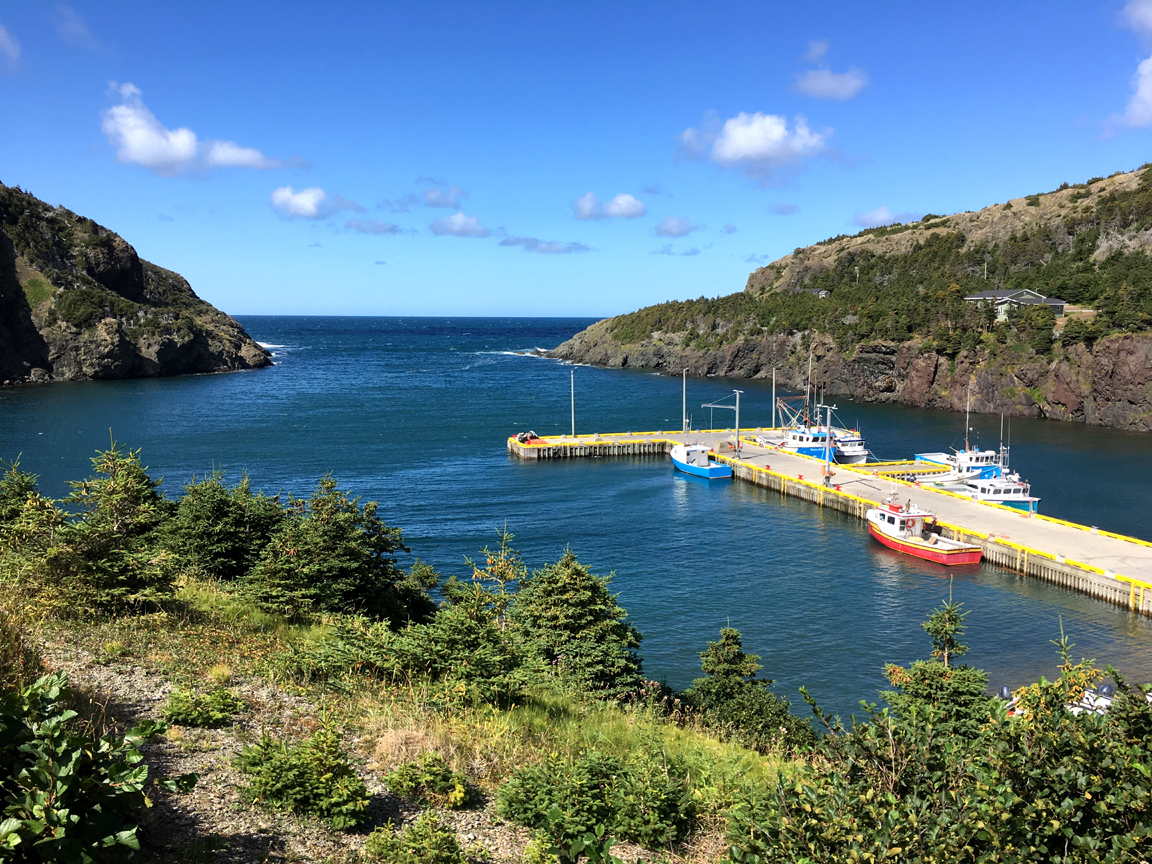
Not all of the igneous rocks in Cabox Geopark belong to the Bay of Islands Ophiolite Complex. The outer islands and headlands are composed of slightly different igneous rocks (including some paler varieties with less iron and magnesium, like granite) that formed in a volcanic arc environment similar to modern Tonga or the Marianas Islands. Island arcs mark places in the oceans where one plate is forced downward under another. Water escaping from the downgoing plate gets into the Earth’s mantle and helps it to melt. The resulting melting produces more explosive volcanic eruptions. The Little Port Complex exposed in the outer islands of the Bay of Islands probably formed in an island arc in the Iapetus Ocean, precursor of the Atlantic Ocean. 

Rocks found within the Little Port Complex include spectacular pillow lavas which, together with lava breccias and tuffs, record explosive episodes of arc volcanism. Intrusive diorite and granodiorite, formed by hydrous melting and differentiation in the mantle wedge, are also well-represented in accessible places within the Geopark. A related unit, the Mount Barren Complex, is present only in the Lewis Hills massif. Some authors have grouped the Little Port and Mount Barren complexes together as the Coastal Complex.

Cabox Geosites within Oceanic Successions include:

Bay of Islands Ophiolite Complex

Chimney Cove / Gregory Mountains (CM)

Little Port Complex

Trout River (TR)