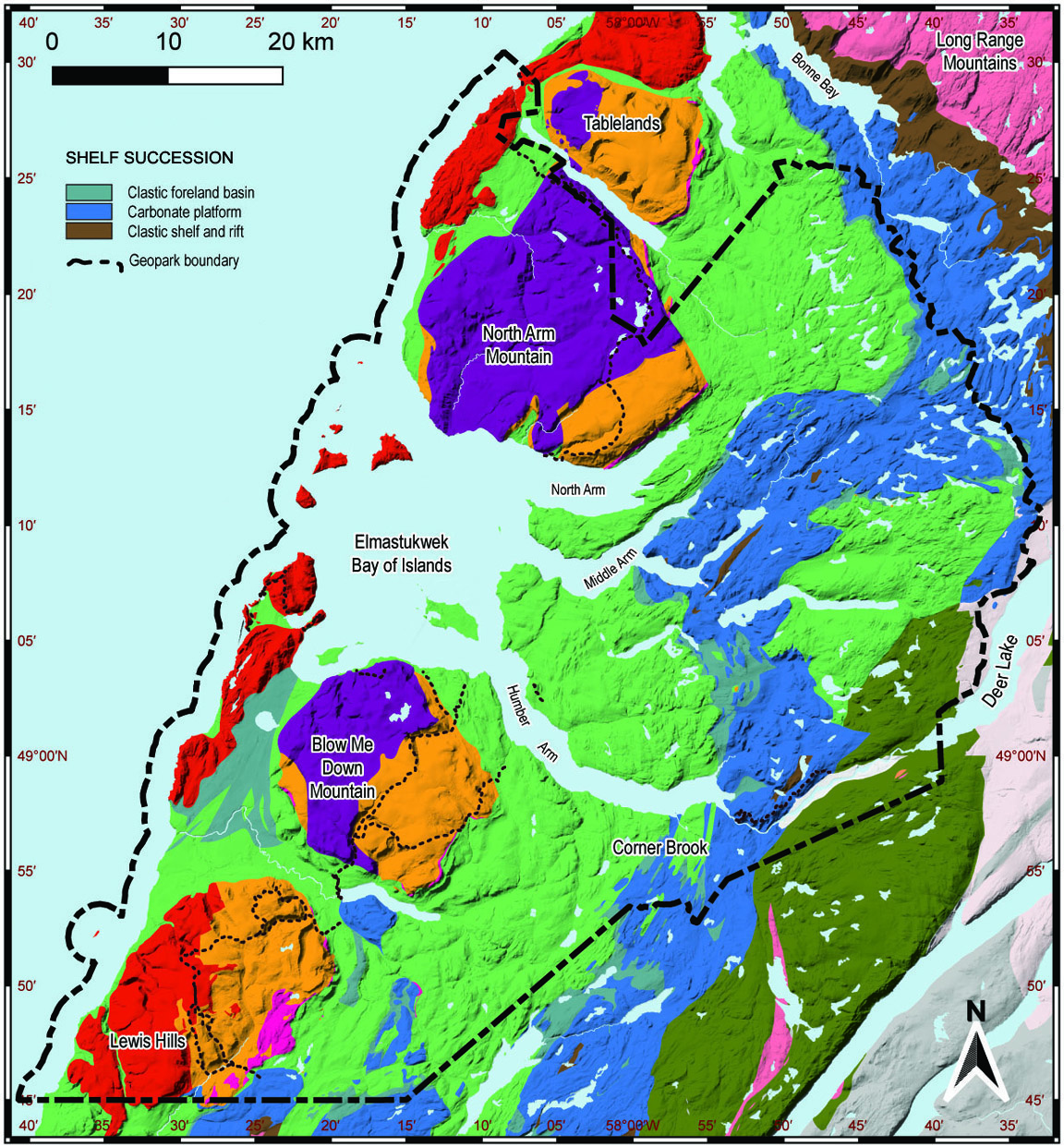
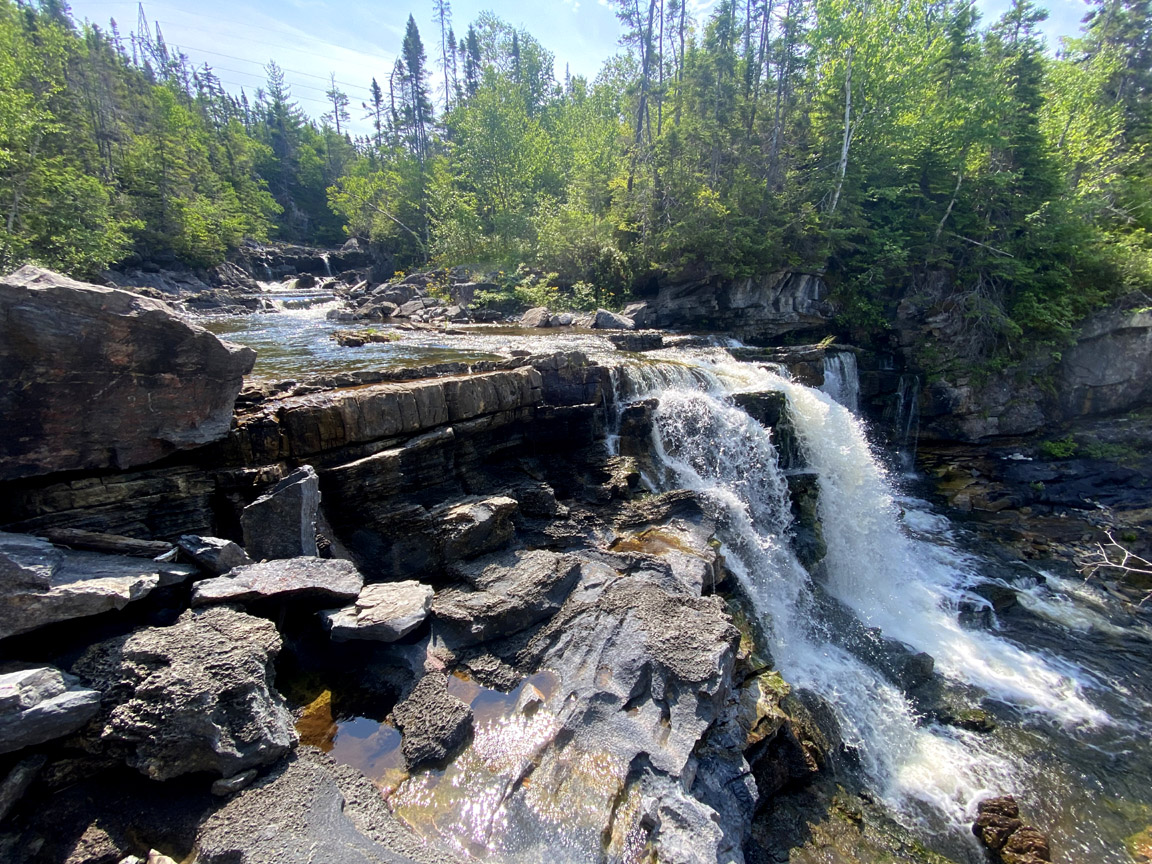
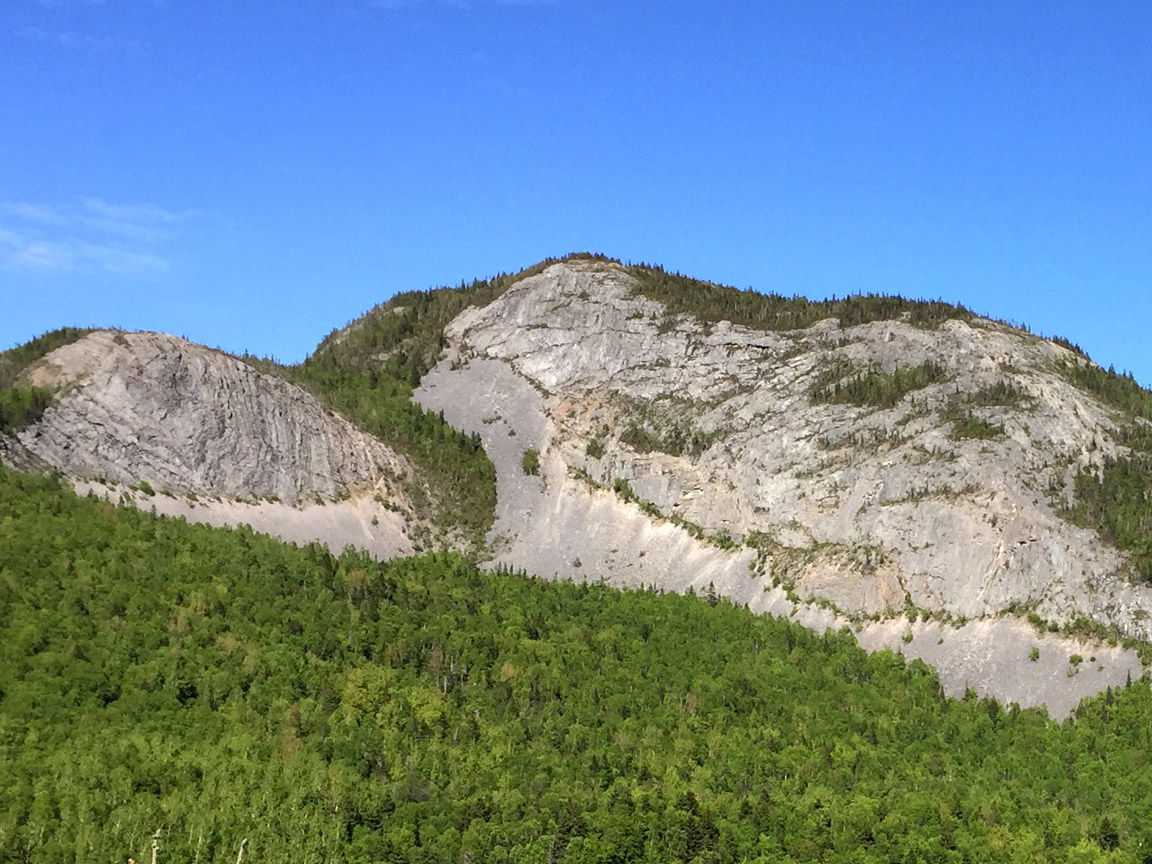
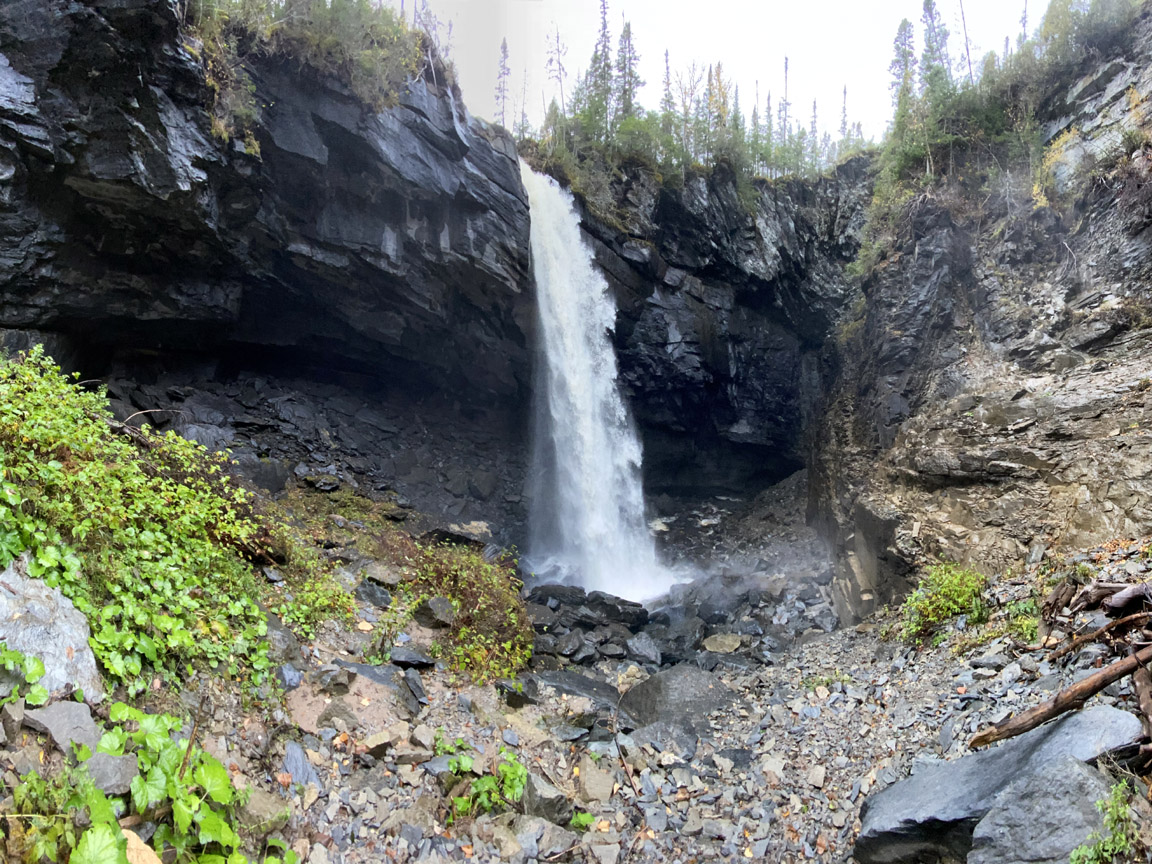
The first great assemblage of rocks in Cabox Geopark formed on the edge of an ancient continent, the precursor of North America, named Laurentia by geologists. These rocks are mostly sedimentary rocks, and were laid down in shallow water on the continental shelf that surrounded Laurentia.

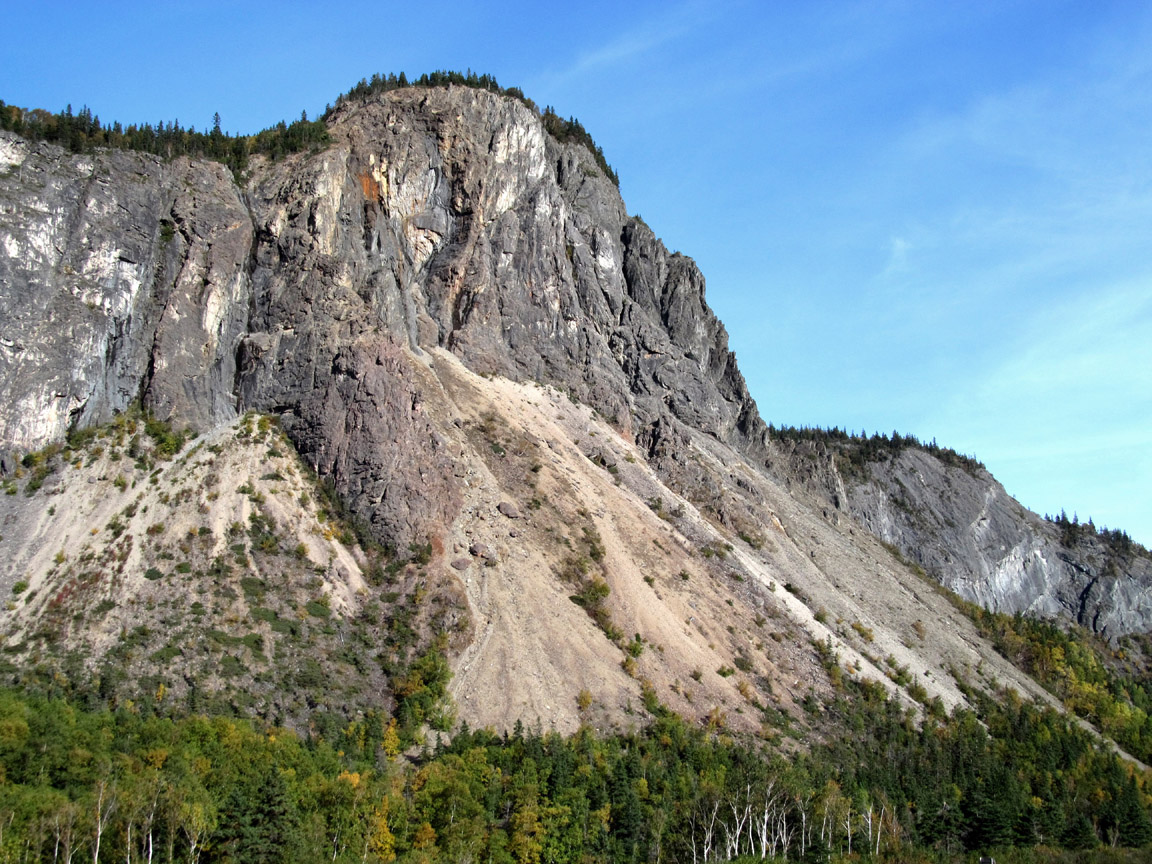
 Continental shelves are just extensions of a continent that have been flooded by the sea; they are made of continental crust that happens to be under water, usually less than a couple of hundred metres deep. Continental shelves surround many large continents at the present day. The Grand Banks of Newfoundland are a typical modern example. The continental shelf of ancient Laurentia was similar in some ways to the modern Grand Banks. However, Laurentia lay close to the Equator. This enabled the organisms that grew on the continental shelf to extract lime (calcium carbonate) from sea water to produce a rock called limestone. The same process goes on in the modern Bahama Banks and Great Barrier Reef of Australia. White and grey limestone, formed on this ancient continental shelf, forms much of the mountain scenery in the gorge of the Humber River near Corner Brook. The shelf succession is not entirely limestone. There are also deposits of the related rock dolostone (made of calcium magnesium carbonate), sandstone (made of sand particles) and mudstone (made of even smaller silt and clay particles).

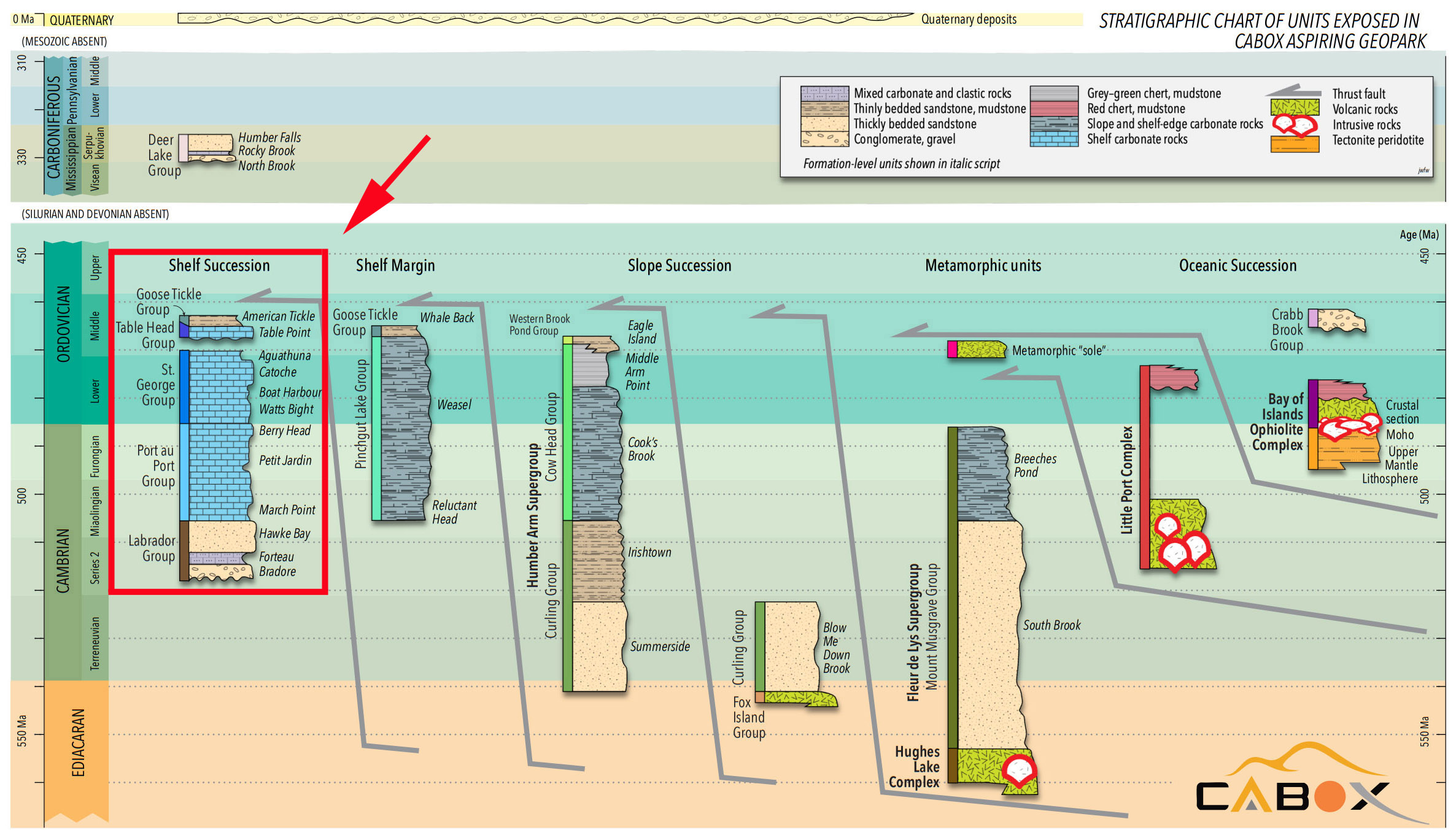
From top to bottom, the shelf succession can be divided into “Groups”: thick layers of rock that in western Newfoundland are typically each 

  • Table Head Group: mainly limestone, deposited in shallow water as the mountains began to form in the Middle Ordovician Period, about 470–460 Ma (million years ago).
  • St. George Group: also mainly limestone, with some dolostone, also deposited in shallow water during the Early Ordovician Period, about 485–470 Ma.
  • Port au Port Group: shallow-water limestone and dolostone deposited in the middle and later parts of the Cambrian Period about 510–485 ma
  • Labrador Group: shallow water sandstone, shale, and some limestone, formed during earlier parts of the Cambrian Period, from around 540 to 510 Ma.

These geological “groups” are divided into thinner “formations” that are too numerous to list here. They can all be found in the stratigraphic column on a previous page. Below the Labrador Group are igneous and metamorphic rocks of an older mountain belt, which can be seen in Gros Morne National Park to the north.

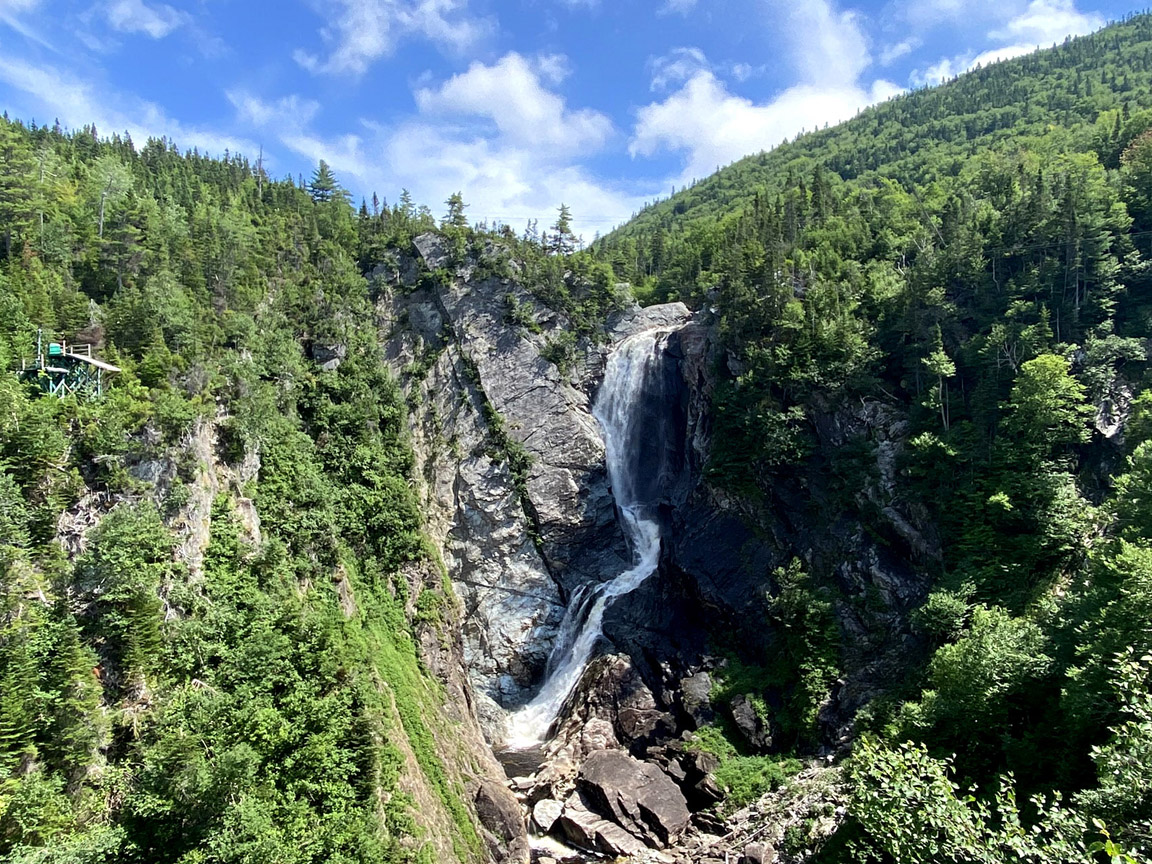
Cabox Geosites within the Shelf Succession include: